
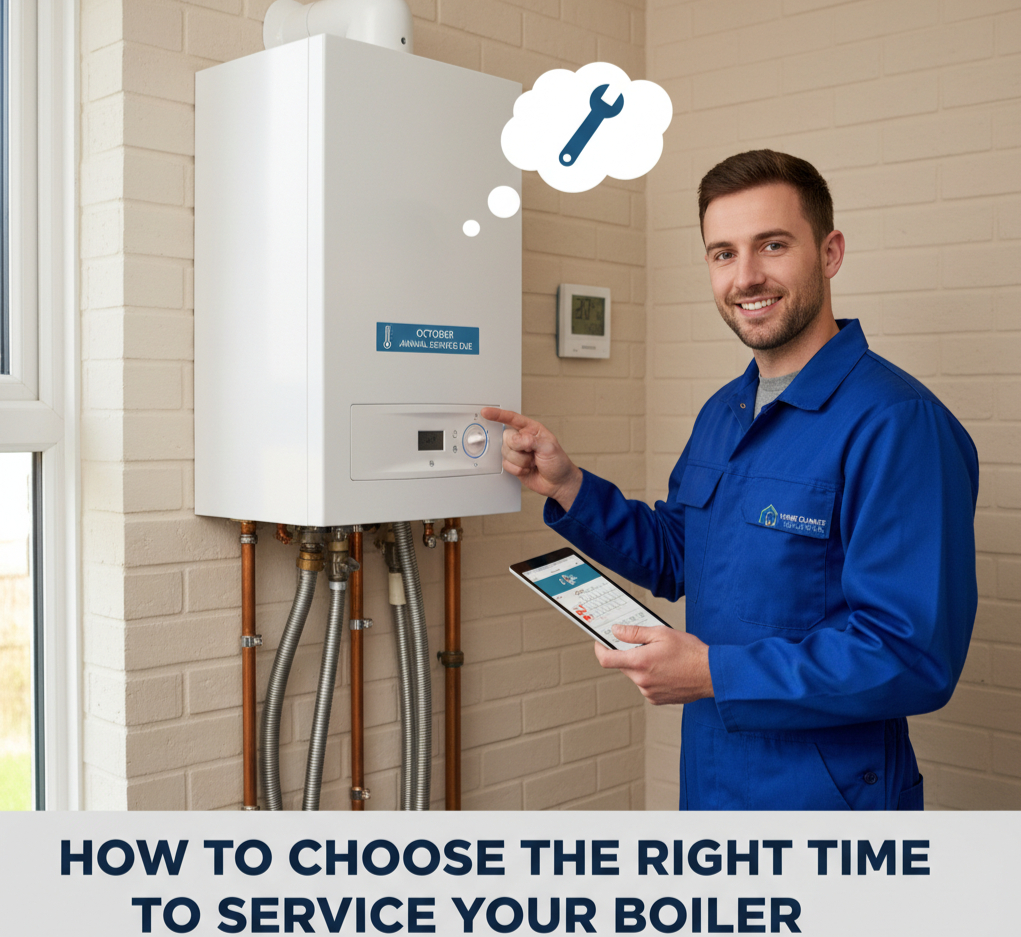
When to service your boiler for maximum savings and safety
When is the best time to service your boiler? The strategic answer might surprise you
The best time to service your boiler is during the late summer or early autumn, typically August or September. This off-season timing allows you to secure more flexible scheduling and often better pricing from qualified heating engineers before the winter rush. This proactive approach, combined with simple monthly DIY checks, ensures your system is reliable, efficient, and safe when you need it most.
Beyond the ‘Annual’ Rule: A Smarter Boiler Service Strategy
For years, the standard advice for homeowners has been simple: get an “annual boiler service.” While this is sound advice at its core, it misses a crucial part of the story: when you schedule that service matters just as much as if you schedule it. Waiting for the first cold snap of the year to remember your heating system is a recipe for stress, higher costs, and potentially a long wait for an available technician.
A truly effective boiler maintenance strategy doesn’t start with a frantic call in October. It’s a year-round rhythm of proactive health monitoring that puts you in control. It combines your own simple, monthly visual inspections with a strategically timed professional tune-up. This approach not only prevents the surprise catastrophic failure that leads to expensive replacements but also protects your warranty, improves energy efficiency, and gives you complete peace of mind.
The End-of-Summer Service: Your Smartest Financial and Logistical Move
Think of your boiler like a star athlete. You wouldn’t wait until the championship game to check their condition; you’d ensure they’re in peak form during the off-season. The same logic applies to your home’s heating system. Scheduling your professional boiler service in summer, specifically in late August or early September, is the most strategic decision you can make.
Why is a Pre-Winter Heating System Inspection So Effective?
- Technician Availability: Heating, plumbing, and AC professionals are in highest demand when the weather is at its most extreme—scorching summers and freezing winters. By booking a boiler service during the lull between cooling and heating seasons, you’ll find that qualified, Gas Safe registered engineers have more open schedules. This means more flexibility for you and less stress trying to find someone in an emergency. In fact, the best time of year to get a new boiler is in the off-season when demand is lower, and the same principle holds true for servicing.
- Cost Savings: With lower demand comes more competitive pricing. Many companies run boiler service offers during these slower months to keep their teams busy. You can avoid the premium pricing that often accompanies emergency or peak-season call-outs.
- Time for Repairs: If the service uncovers an issue that requires a specific part to be ordered, you have weeks of mild weather to get the repair done. Discovering you need a new gas valve in September is an inconvenience; discovering it during the first freeze of November is a crisis.
- Peace of Mind: There’s a unique comfort in knowing your heating system is clean, efficient, and ready to perform the moment you need it. A pre-winter tune-up eliminates the nagging worry of whether your boiler will fail on the coldest night of the year.
Your Boiler’s ‘Vital Signs’: A 5-Minute Monthly Checklist
A professional boiler service and safety check is non-negotiable, but you are the first line of defense. Performing these simple DIY boiler service checks once a month takes less than five minutes and can help you spot developing issues long before they become expensive emergencies. This is a core part of preventative boiler maintenance.
- Check the Pressure: Locate the pressure gauge on the front of your boiler. For most modern combi and system boilers, the needle should be in the green zone, typically between 1 and 1.5 bar. It’s wise to inspect the boiler’s pressure gauge to ensure it falls within the safe zone for operation. If it’s too low (below 1), it may be one of the more common low boiler pressure reasons, like a small leak or recently bled radiators. If it’s too high (in the red zone), it could indicate a deeper problem.
- Look and Listen for Leaks: Do a quick visual scan around the boiler and the pipes connected to it. Look for any drips, water stains, or signs of corrosion (rust). Even a small leak can cause significant damage over time and is a clear sign your boiler needs a service.
- Listen for Strange Noises: Your boiler should operate with a consistent, low hum. Listen for anything unusual. A common issue is a “boiler kettling noise,” which sounds like a kettle boiling. This is often caused by a buildup of limescale or sludge in the heat exchanger and reduces efficiency. Other sounds like banging, gurgling, or whistling are also signs you should schedule a central heating check-up.
- Inspect the Flame: If you have a boiler with a pilot light you can see, take a quick look at the flame. It should be a crisp, strong blue color. A boiler flame color other than a clear blue, such as yellow or orange, indicates the system is likely malfunctioning and producing carbon monoxide. This is a serious safety hazard.
- Check Your Radiators: When you first turn your heating on for the season, check if all your radiators are heating up properly. If the top is cold but the bottom is warm, it likely means there’s trapped air. You can often fix this yourself by bleeding the radiator, which eliminates excess hot air from the system, which increases efficiency. If a radiator is cold all over, it could signal a bigger plumbing issue.
Red Flags vs. Yellow Flags: When to Call a Pro Immediately
Understanding the difference between an urgent problem and a routine issue can save you from unnecessary panic and the cost of an emergency call-out. Your monthly checks will help you identify these signals.
Red Flags: Call for Emergency Boiler Service NOW
- A Yellow or Orange Flame: As mentioned, this is a major warning sign. It signifies incomplete combustion, which can produce carbon monoxide, a colorless, odorless gas that can be fatal. Do not delay.
- Signs of a Carbon Monoxide Leak: Besides the flame color, other signs include dark staining or soot marks around the boiler, a pilot light that keeps going out, or increased condensation on windows. If you or your family experience unexplained headaches, nausea, or dizziness, it could be related.
- A Major Water Leak: A small drip is a “yellow flag,” but if water is actively pooling or streaming from your boiler or pipes, shut off the water supply and call a professional immediately to prevent major water damage to your home.
- No Heat or Hot Water in Winter: This is the classic emergency. While not always a safety issue, a lack of heat during a cold spell is a critical problem that requires immediate attention.
Yellow Flags: Schedule a Service Appointment Soon
- A Slow Pressure Drop: If you find yourself needing to top up the boiler pressure every few weeks, there is likely a slow leak somewhere in the heating system. It’s not an emergency, but it needs to be addressed to prevent damage and maintain efficiency.
- Strange Noises (Kettling, Gurgling): These noises indicate inefficiency and internal buildup. While the boiler may still be working, it’s under strain, using more energy, and at a higher risk of a breakdown.
- Radiators Not Heating Up Properly: If bleeding the radiators doesn’t solve the problem, it could be a sign of sludge in the system, a failing pump, or a balancing issue that a heating engineer needs to diagnose.
- Higher Energy Bills: If your gas bills are creeping up without a change in usage, your boiler is likely losing efficiency. A full boiler service, including an inspection and cleaning, can often restore its performance.
A Comparison of Boiler Servicing Approaches
How you approach boiler maintenance depends on your personality, budget, and how hands-on you want to be. Here’s a look at the three main strategies.
Reactive Annual Servicing
Description: This is the traditional “set-it-and-forget-it” method. You schedule a one-off boiler service once a year, often in the autumn when you’re reminded by the cold weather.
Pros:
- Simple and requires minimal effort or thought throughout the year.
- Ensures you meet the basic requirements for many home insurance policies or a boiler service for landlords.
Cons:
- Scheduling during peak season (autumn/winter) can mean longer waits and higher costs.
- Doesn’t catch problems that develop between services, potentially leading to a surprise breakdown.
- You miss out on the energy efficiency benefits that come from a consistently well-maintained system.
Proactive DIY Health Monitoring
Description: This involves regularly performing the 5-minute monthly checks yourself (pressure, leaks, noises, flame) to stay on top of your boiler’s health.
Pros:
- Empowers you to catch small issues before they escalate into costly repairs.
- Keeps you informed about your system’s performance and efficiency.
- Provides early warnings, allowing you to schedule non-emergency service at your convenience.
Cons:
- This is not a substitute for a professional service. A Gas Safe registered engineer must perform the internal safety checks and cleaning.
- Requires consistency and a small amount of your time each month.
Strategic Off-Season Professional Tune-up
Description: This is the expert-recommended approach. It combines proactive DIY monitoring with a scheduled professional service during the late summer or early fall.
Pros:
- The most cost-effective and logistically smart option. You get better pricing and availability.
- Maximizes reliability by ensuring your system is in peak condition right before you need it most.
- Provides ample time for any necessary repairs without the pressure of cold weather.
- Keeps your manufacturer’s warranty valid, as most require proof of an annual boiler service.
Cons:
- Requires planning ahead and booking the service when heating isn’t on your mind.
Answering Your Top Boiler Service Questions
How often does a boiler need to be serviced? All boiler manufacturers recommend a service once every 12 months. This is crucial for safety, efficiency, and to keep your warranty valid. For a new boiler, the first service is typically required before the end of its first year. Does it matter if my boiler service is late? Yes, it can. The biggest risk is voiding your manufacturer’s warranty. If a part fails and you can’t prove a consistent service history, the manufacturer may not cover the repair. From a safety and performance perspective, delaying service increases the risk of a breakdown and could lead to running an inefficient or unsafe appliance. How much should it cost to service a boiler? The cost of a boiler service can vary based on your location, the type of boiler (combi, oil, gas boiler), and the time of year. A one-off boiler service will typically cost more than being part of a boiler service plan. Scheduling in the off-season can often lead to savings. What happens if you don’t service your boiler? Neglecting your boiler can lead to a host of problems: reduced energy efficiency (higher bills), an increased likelihood of a complete breakdown (costly emergency repairs), a voided warranty, and most importantly, a higher risk of dangerous issues like a carbon monoxide leak. Regular servicing is a small investment to prevent these much larger problems. Remember, boilers typically last 15 to 30 years, and consistent maintenance is key to reaching the upper end of that lifespan.
Making the Right Choice for Your Needs
Ultimately, the best boiler service strategy is the one that aligns with your lifestyle and priorities. There isn’t one perfect answer, but there is a best answer for you.
For ‘The Set-It-and-Forget-It’ Homeowner: If you prefer a simple, hands-off approach, the most important thing is to not miss your annual service. Set a recurring calendar reminder for the same time each year—we’d suggest early September. Consider a boiler service plan, which often includes the annual service and may cover some repair costs, automating the process for you.
For ‘The Hands-On DIYer’: You’re comfortable being the first line of defense. Embrace the 5-minute monthly checklist. Your diligence in monitoring pressure, leaks, and performance will give you the crucial early warnings needed. When you call a professional for your annual tune-up, you’ll be able to provide them with a much clearer history of the system’s recent performance.
For ‘The Cost-Conscious Planner’: Your primary motivation is long-term value and avoiding expensive surprises. The strategic off-season approach is tailor-made for you. Mark your calendar for late August to start getting quotes for a September service. You’ll benefit from lower prices, better availability, and the security of knowing you’ve locked in peak performance and efficiency before your energy usage starts to climb.
By shifting your mindset from a reactive, once-a-year task to a proactive, strategic tune-up, you take control of your home’s comfort, safety, and budget. An efficient and reliable boiler isn’t a matter of luck; it’s the result of smart, preventative care.
No matter your approach, the key is ensuring a qualified professional inspects your system annually. At Angi, we connect you with vetted, top-rated heating engineers in your area who can perform a comprehensive boiler service to keep your home warm and safe all winter long. Find a local pro and book your service today.